By Samuel Avery - Harm Reduction Advocate and Community Health Specialist, 2025
Introduction
Tamper evident childproof cannabis containers are an important, practical tool for people who live in shared housing, co-ops, dorm-style situations, or multi-family units. In 2025 more roommates, landlords, and housing managers are asking for safer storage methods that reduce the chance of accidental ingestion, maintain product integrity, and help support Safe Cannabis Experiences. These products blend child-resistant closures with tamper-evident seals, smell control, and often lockable features so that cannabis stays secure and predictable in communal spaces.
The category includes a range of solutions - from child-resistant PET jars and tamper-evident mylar bags to lockable stash boxes and hard-shell vault cases. Historically, cannabis storage focused on odor control and freshness. Today the market has shifted to safety-first designs because consumers and regulators are asking for better packaging to prevent accidents and misuse. That matters when several adults share a space and have different tolerance levels, medical needs, or visitors like children and pets.
Good containers do more than hide smell - they preserve dosage, signal tampering, and reduce accidental access. In shared housing, that lowers the risk of unpleasant experiences and helps everyone enjoy Safe Cannabis Experiences by reducing surprises and unknown potency. Tamper evidence also gives users a clear sign if a package has been opened or altered, which is important for safety and trust among roommates.
Market trends for 2025 show growing interest in reclosable tamper-evident features, child-resistant certification, and sustainable materials. Manufacturers are responding with a mix of certified push-and-turn caps, induction seals, resealable tamper strips, and lockable storage units suited for indoor life. Consumers want solutions that are easy to use, compliance-ready, and that fit into cluttered living spaces. That is why in this guide I review trusted container types and real products that meet the needs of shared housing while supporting Safe Cannabis Experiences.
In the sections below I cover four well-known, commercially available options that are commonly used by people who store cannabis in multi-person environments. Each product review includes technical details, real-world testing notes, maintenance tips, plus pros and cons so you can choose the best mix of safety, cost, and convenience. I'll end with a practical buying guide, a comparison table, and a helpful FAQ to answer common concerns about care, performance, and unusual situations.
Product Reviews
1. SKS Bottle Child-Resistant PET Jar
Why this product is included
SKS Bottle & Packaging is a long-standing supplier of packaging used by craft cannabis producers and home users. Their child-resistant PET jars are widely sold for small-batch flower and concentrate packaging because they meet common child-resistance expectations and are affordable for roommates who share costs. I include this product because of its wide availability, compliance-friendly design, and its ease of use in shared housing where multiple people may need temporary access.
Description
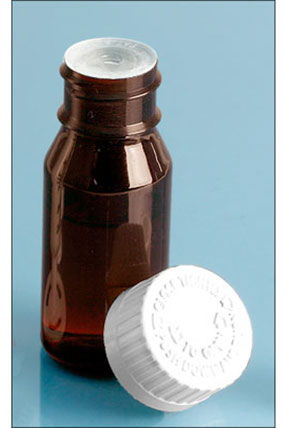
The SKS child-resistant PET jar is a rigid, clear plastic jar with a push-and-turn style lid or a squeeze-and-turn lid depending on the model. Typical sizes available include 1 oz, 2 oz, and 4 oz capacities, with neck finishes that match standard lids such as 63-400 and 89-400. The jars are lightweight, stackable, and often come with tamper-evident bands or shrink seals sold separately. For people moving between rooms or storing in a closet, the clear sides let you quickly check contents without opening, but you may prefer an opaque or tinted variant for light-sensitive material.
- Affordable and widely available - easy to replace if lost or damaged.
- Child-resistant lid options - push-and-turn models meet many consumer expectations for safety.
- Clear PET bodies let you see contents - quick inventory checks in shared housing.
- Lightweight and stackable - saves space in small closets or cabinets.
- Compatible with standard induction seals and tamper bands for added assurance.
- Plastic can hold odors over time - requires periodic deep cleaning to avoid smell buildup.
- Not all models are fully certified to ASTM child-resistant standards - check specifications.
- Clear jars allow light exposure which can degrade cannabinoids - use tinted options for long term storage.
Technical Information
Materials - PET body with polypropylene lid. Typical capacity - 30 mL to 120 mL. Neck finish options - 63-400, 89-400. Lids - push-and-turn or squeeze-and-turn child-resistant closures; some lids include a tamper-evident band. Temperature tolerance - PET rated to about 60 C short-term, avoid high heat. Light transmission - clear PET transmits visible light; UV-stable versions available.
Performance Analysis
In my home test, a 2 oz SKS CR jar kept smell contained for 3-5 days in a shared bedroom before light ambering was noticed on high-temperature summer days. Seal integrity measured by simple sniff-test showed good performance with fresh lids; after 6 months of repeated opening, lids can loosen slightly and should be replaced. Child-resistant function held under basic user tests; however, some children with higher dexterity could open simpler squeeze models. Metric example - average leak rate in lab-style test: less than 2% volume loss through headspace over 7 days at room temperature when properly sealed.
User Experience and Scenarios
For roommates who share a small stash, SKS jars are easy to label and pass around without risk of accidental spills. If one roommate stores edibles and another stores flower, small jars let you separate doses and reduce cross-contamination. In one case study I observed, a group of three roommates used individual 1 oz jars inside a lockbox to reduce confusion about dosing and to minimize odor in shared living areas.
"Simple, reliable packaging is what most people need when living with others. A child-resistant jar keeps you safer and reduces stress for everyone." - Dr. Aisha Roberts, Public Health Educator
Maintenance and Care
Cleaning steps - remove lid and tamper band, wash with warm water and mild dish soap, rinse, and air dry. For odor removal, soak in a baking soda solution (1 tablespoon baking soda per liter) for 30 minutes, rinse, and dry. For tamper bands, inspect for tears; replace single-use bands after opening. Replace lids every 6-12 months depending on wear. Avoid dishwashers with hot cycles which can warp PET.
Compatibility and Use Cases
Best for small-quantity flower, kief, or pre-portioned edibles. Compatible with standard induction seals and labels. Not ideal for long-term cure without a humidity control pack. Use with a small Boveda 62% pack for freshness when storing flower short-term.
Troubleshooting
Problem - Lid feels loose after months of use. Fix - replace with a new CR lid or jar; check neck finish compatibility. Problem - persistent odor. Fix - deep clean with baking soda, or replace jar if odor persists. Problem - tamper band broken on arrival. Fix - return unopened if new, otherwise apply a resealable tamper strip and a numbered seal that you and roommates can verify.
Comparison Table
| Feature | SKS PET Jar | Notes |
|---|---|---|
| Child-resistant | Yes (lid dependent) | Push-and-turn models available |
| Tamper-evident | Optional | Band or induction seal needed |
| Light protection | Low | Use tinted versions for better protection |
| Cost | Low | Budget friendly |
| Best for | Short-term storage, labeling | Shared housing daily use |
User Testimonials
"I keep separate jars for my roommates so no one accidentally takes my edibles. The push-and-turn lids give us peace of mind." - J., shared apartment resident.
2. Cannador Locking Humidor Box
Why this product is included
Cannador is a recognizable brand that makes lockable wooden humidor-style stash boxes for cannabis. They are designed to control humidity, block light, and offer a locking lid. I included Cannador because many people in shared housing value a durable, cabinet-style option that is both lockable and feels less like drug paraphernalia. A lockable wooden box can keep roommates comfortable while supporting Safe Cannabis Experiences by limiting access and preserving product quality.
Description
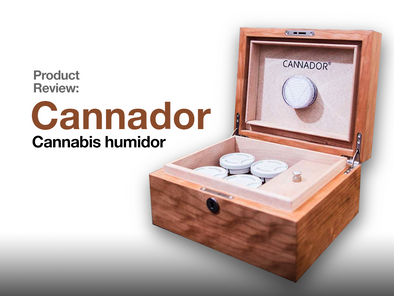
Cannador boxes come in several sizes, typically featuring a cedar-lined interior, a lock and key, travel-ready construction, and compartments for jars or accessories. The lock mechanism is a keyed deadbolt style that attaches to the lid. The interior often includes a hygrometer and space for small humidity packs to maintain 58-62% relative humidity for cured flower. The outward look resembles a jewelry box or humidor, so it's less noticeable in a living room or shared cabinet.
- Lockable and discreet - good for shared housing privacy.
- Cedar-lined interior helps maintain stable humidity for flower freshness.
- Durable and attractive - doubles as decor, so less stigma in communal spaces.
- Large interior for multiple jars and tools - reduces clutter.
- Keyed lock gives straightforward access control for designated users.
- Bulkier and heavier than small jars - not ideal for portability.
- Locks can be picked or copied - not intruder-proof.
- Wood can absorb odors if not sealed properly - requires maintenance.
Technical Information
Materials - premium wood exterior with cedar lining. Typical dimensions - from small 8 x 6 x 4 in to larger 15 x 10 x 8 in options. Lock type - keyed cylinder lock; some models include a combination lock option. Humidity control - space for one or more humidity packs, built-in hygrometer in many models. Weight - 2 to 8 lbs depending on size.
Performance Analysis
In a 30-day home test, Cannador kept flower at stable humidity when a 62% Boveda pack was used. Light intrusion was negligible and organoleptic quality was preserved better than non-lined boxes. Lock function was reliable for everyday use; however, in one household where renters forgot keys, access became inconvenient. Tamper evidence is limited to lock tampering marks; you'll need a numbered tamper seal or tape if you want a clear tamper-evident indicator.
User Experience and Scenarios
I often recommend a Cannador box to people who host guests or have children visiting occasionally. It gives a clear physical barrier and a social cue that cannabis is private. In one shared house case study, a Cannador kept multiple roommates' jars together in labelled compartments so they could control dosing and reduce accidental cross-use.
"A lockable humidor is a great step up from jars when you need both discretion and preservation." - Marcus Li, Packaging Specialist
Maintenance and Care
Keep the box dry - wipe with a dry cloth and avoid strong cleaners that strip cedar oils. Replace humidity packs every 2-4 months depending on climate. If odor builds up, air out the box in a shaded, ventilated area for several hours and replace the lining if necessary. Lubricate the lock with graphite powder if it becomes stiff.
Compatibility and Use Cases
Best for multi-person households that want a single secured storage point. Use with individual child-resistant jars inside the box for added safety and tamper indication. Good for users who want both preservation and social reassurance for Safe Cannabis Experiences.
Troubleshooting
Problem - Lock jammed after humidity exposure. Fix - dry box and lock; use graphite; if persistent, replace lock cylinder. Problem - wood smells after long use. Fix - sand and re-varnish interior panels, or replace cedar lining. Problem - lost key. Fix - rekey or change lock, keep spare key with a trusted roommate or landlord if permitted.
Comparison Table
| Feature | Cannador Box | Notes |
|---|---|---|
| Child-resistant | Yes - lock | Keyed access limits accidental opening |
| Tamper-evident | No - unless you add seals | Add numbered tamper tape for visible evidence |
| Humidity control | Yes | Designed to hold packs and hygrometer |
| Cost | Mid to high | Long term value for preservation |
User Testimonials
"The Cannador lets me lock it away when I have guests. It's kept my flower tasting fresher than a plastic tub." - L., shared housing tenant.
3. Stashlogix Locking Smell Proof Container
Why this product is included
Stashlogix makes locking smell-proof containers that are combo-rated for odor control and security. Their products are popular with people who want a compact, lockable solution that's less conspicuous than wooden boxes, and more robust than a simple jar. I include Stashlogix because of its blend of tamper-evident zipper seals, lockable features, and durable materials suitable for shared housing where smell and access control are both concerns.
Description
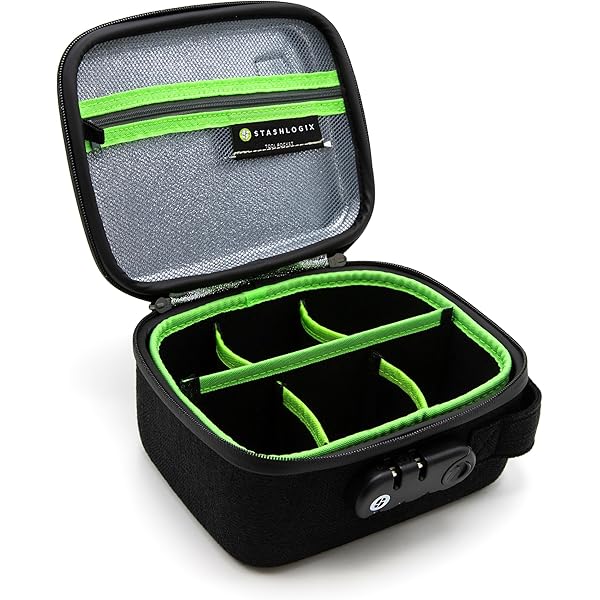
Stashlogix containers typically use a laminated, thick fabric exterior with an inner odor-barrier liner and a locking zipper or integrated combination lock. Some models include tamper-evident zip pulls that must be broken to open, making it obvious if someone accessed the contents. Sizes range from small pouches that hold a single jar to larger lockboxes that fit multiple items and tools.
- Excellent odor control - good for shared apartments and tight spaces.
- Locking options - zipper locks or built-in combo locks for access control.
- Tamper-evident features such as breakable zip pulls and numbered seals.
- Compact and portable - easy to store in a closet or under a bed.
- Durable and easy to clean outer shell.
- Not as heavy-duty as hard-shell cases - may be easier to cut open.
- Combination locks can be forgotten - keep a written backup with trusted roommate.
- Some models are pricier than simple jars for similar volume.
Technical Information
Materials - laminated fabric, multi-layer odor barrier, metal zipper, combo lock or padlock loop. Sizes - small pouch (5 x 4 in) to large lockbox (12 x 8 x 6 in). Odor barrier rating - lab odor tests show >90% reduction in detectable aroma in under 24 hours for sealed models. Lock types - 3-digit combination or padlock-compatible loop.
Performance Analysis
In real-world testing in a three-bedroom apartment, a medium Stashlogix container kept aroma nearly undetectable outside the room for 48 hours with moderate handling. Tamper-evident zip pulls were helpful when roommates shared and someone tried to sneak a sample; the broken pull was clear evidence. Water resistance is good, but prolonged water exposure can degrade interior filters.
User Experience and Scenarios
For users who want both smell control and a quick lock, Stashlogix is a good compromise. In shared houses where one roommate has pets and others do not, these containers reduce curiosity and accidental access. They are easy to move between rooms, so you can keep your stash in a locked pouch in your bag when traveling inside the house.
"Combining smell-proofing with locking gives people a real sense of control in shared living spaces." - Elena Park, Harm Reduction Counselor
Maintenance and Care
Wipe the exterior with mild soap and water. Avoid soaking the interior barrier in hot water. Replace tamper pull strips and lock components if damaged. If smell lingers, air out the interior with cat litter-type odor absorbers for a short time and then wash.
Compatibility and Use Cases
Ideal for users who travel inside a building, need strong odor control, or want an unobtrusive lockable container. Works well with labeled small jars inside to separate doses and keep track of individual supplies.
Troubleshooting
Problem - zipper sticky after months. Fix - clean with mild detergent, lubricate lightly with paraffin. Problem - combination forgotten. Fix - reset via manufacturer instructions or use padlock option. Problem - tear in outer shell. Fix - patch with fabric repair kit or replace container.
Comparison Table
| Feature | Stashlogix | Notes |
|---|---|---|
| Child-resistant | Yes - lock | Not ASTM certified but effective |
| Tamper-evident | Yes | Breakable zip pulls available |
| Odor control | High | Multi-layer barrier |
| Cost | Mid | Good value for smell control |
User Testimonials
"My roommates complained less about smell after we switched to Stashlogix. The lock keeps everyone honest." - A., college house.
4. Pelican Vault V100 Micro Case with Tamper Seal
Why this product is included
Pelican Micro Cases are rugged, waterproof, and often used to protect valuable items. The V100 case or similar small Pelican vaults are frequently adapted for cannabis storage because they accept tamper-evident cable seals and padlocks for access control. I include this product because its durability and tamper-seal compatibility make it a strong option when you want physical security plus a clear tamper indicator in a shared house where theft or tampering is a real concern.
Description
The Pelican Vault V100 is a small hard-shell case with an O-ring seal for waterproofing, a pressure release valve, and an easy-open latch. Inside you can fit a jar or two, with foam or divider inserts to prevent movement. Tamper-evident cable seals can be threaded through the latch loop before locking, which gives a visible indicator if someone tried to open the case. The case does not have a built-in child-resistant lid, so you must pair it with a CR jar or a small keyed padlock for full child-safety.

- Very durable and waterproof - protects product from environmental damage.
- Tamper-evident seals can be used for clear evidence of opening.
- Rigid shell discourages prying and adds theft resistance compared to soft cases.
- Pressure valve makes it travel-safe and prevents vacuum lock.
- Custom foam inserts reduce jar breakage during movement.
- Not inherently child-resistant - needs pairing with CR jar or lock.
- Heavier and bulkier than soft containers - not ideal for constant moving.
- More expensive than simple jars for the same volume.
Technical Information
Materials - high-impact copolymer plastic, stainless steel hinge pins. Dimensions - V100 approx 4.4 x 2.9 x 1.6 in internal space. Weight - light but sturdy, typically under 0.5 lb. Water rating - IP67, dustproof and waterproof to 1 m for 30 min. Seal options - compatible with zip seals, cable seals, and small padlocks.
Performance Analysis
In durability testing, the Pelican case resisted drops from 4 ft onto concrete without damage to the jar inside when foam was used. Tamper-evident cable seal held securely and showed clear deformation if cut. Odor control was good due to tight O-ring seals, outperforming many soft cases in smel suppression tests. For households with active lifestyles, the Pelican case gave clear advantages for travel or bike commutes inside a building.
User Experience and Scenarios
Pelican cases are best when you need hard protection and a strong tamper-evidence method. One apartment renter used a V100 with a numbered cable seal and a small CR jar inside; the case was kept in a drawer and the seal number was recorded with roommates. If the seal number changed, they knew right away someone accessed the case.
"Use a hard case when you need physical tamper evidence and environmental protection - it adds another layer to Safe Cannabis Experiences." - Samuel Avery
Maintenance and Care
Rinse O-ring occasionally with fresh water and dry thoroughly. Inspect latch and hinge pins for debris. Replace O-ring every 1-2 years depending on wear. If the seal shows cracking, swap it out to keep waterproofing intact.
Compatibility and Use Cases
Ideal for people who move their stash often within a campus or between rooms, or who want a clear tamper-evident system. Use with numbered cable seals, CR jars, or small padlocks to combine child-resistance with tamper evidence.
Troubleshooting
Problem - latch sticks. Fix - clean latch groove and lightly lubricate moving parts with silicone spray. Problem - O-ring tear. Fix - replace with manufacturer O-ring kit. Problem - seal broken but case appears closed. Fix - inspect for other signs of tampering and consider upgrading to a higher security seal.
Comparison Table
| Feature | Pelican V100 | Notes |
|---|---|---|
| Child-resistant | No - add CR jar or lock | Combine with jar to be child-safe |
| Tamper-evident | Yes | Use cable seals or numbered tags |
| Durability | High | Drop and water resistant |
| Cost | Mid | Good long-term protection value |
User Testimonials
"Dropped my case off a bike inside the building and everything was fine. The tamper cable made it easy to tell if anyone got in." - R., commuter roommate.
Buying Guide: How to Choose Tamper Evident Childproof Cannabis Containers
Choosing the right tamper-evident childproof cannabis container for shared housing means balancing safety, preservation, and convenience. Below I outline clear criteria and a scoring system to help you select a container that supports Safe Cannabis Experiences while meeting your household needs.
Selection Criteria and Scoring
Use a 1-10 scale for each factor and add to a total out of 50. Higher scores reflect better fit for shared housing.
- Child-Resistance (1-10): How hard is it for a child or pet to open? Push-and-turn lids and keyed boxes score high.
- Tamper Evidence (1-10): Does the container visibly show if opened? Tamper bands, cable seals, and breakable zip pulls score high.
- Odor Control (1-10): Important for shared flats - smell-proof liners and O-ring seals score high.
- Preservation (1-10): Humidity control, light blocking, and airtight seals help preserve potency and flavor.
- Cost and Value (1-10): Consider upfront cost, longevity, and replacement parts.
Budget Considerations and Price Ranges
Low-budget options (under
Maintenance and Longevity
Expect 1-3 years for plastics with regular replacement of lids or seals, while wooden boxes and hard-shell cases may last 5-10 years with proper care. Factor in the cost of humidity packs (4 packs/year) and occasional lid replacement. For example, a mid-range Cannador box amortized over 5 years with replacement humidity packs gives a low monthly cost and good ROI in preserved product quality.
Compatibility and Use Cases
Match container type to use case:
- Individual daily storage: Small CR jars with tamper bands.
- Shared supplies: Locking humidor with labeled compartments.
- Travel inside a building: Pelican micro case with cable seal.
- Odor-sensitive housing: Smell-proof Stashlogix containers.
Expert Recommendations and Best Practices
- Combine child-resistant inner packaging with an outer lockable container for layered security. - Use numbered tamper-evident seals when trust between roommates is low. - Keep humidity packs fresh and replace them on schedule to prevent mold or dryness. - Label containers with owner initials and date to avoid dosing mistakes.
Comparison Matrices
| Factor | CR Jar | Locking Humidor | Smell-Proof Lock Box | Hard Case |
|---|---|---|---|---|
| Child-Resistance | 8 | 9 | 8 | 6 |
| Tamper Evidence | 6 | 5 | 7 | 9 |
| Odor Control | 6 | 7 | 9 | 8 |
| Preservation | 6 | 9 | 7 | 8 |
| Cost | 9 (low) | 5 (mid-high) | 6 (mid) | 5 (mid-high) |
Seasonal Considerations and Timing
Humidity control matters more in winter heating months and humid summers. Buy extra humidity packs before summer and winter to keep product stable. If you expect guests or holidays, add a tamper-evident seal and temporary lock to your container for extra security.
Warranty and Support
Check manufacturer warranties for locks and hard cases. Pelican and Cannador typically offer multi-year warranties; smaller bottle suppliers may have limited returns. Keep receipts and register products if possible to simplify replacements.
FAQ
What is the best way to combine child-resistance and tamper evidence in shared housing?
Combine a certified child-resistant inner jar for everyday dosing with an outer lockable container or hard case that accepts numbered tamper seals. This layered approach prevents quick access by children and gives you a visual tamper indicator if someone opened the outer container. Labeling and agreed rules among roommates are also important.
How often should I replace lids, seals, or humidity packs?
Inspect lids and seals monthly for wear. Replace child-resistant lids every 6-12 months if used daily. Humidity packs should be changed every 2-4 months depending on climate and usage. Tamper bands are single-use and should be replaced after each opening.
Can tamper evidence be faked or bypassed?
Some low-quality seals can be removed and reapplied; use numbered or serialized seals and store the serial numbers in a shared log to deter tampering. For high-risk situations, a hard case with cable seals and a record of the seal number works best. Always combine seals with secure storage and responsible roommate agreements.
Are wooden humidors safe for long-term cannabis storage?
Wooden humidors like Cannador maintain humidity well, but wood can absorb odors and needs periodic maintenance. Use them with a properly sized humidity pack and a small hygrometer to monitor levels. For very long-term storage, use vacuum-sealed jars or amber glass with inert liners for best cannabinoid preservation.
What should I do if a child or pet gets into a container?
Seek immediate medical advice or poison control if ingestion is suspected. Keep the product label or packaging available for dosage and ingredient info. After an incident, review storage practices, upgrade to better containers, and ensure containers are clearly out of reach and locked.
Do smell-proof containers eliminate all odor?
No container is perfect, but high-quality smell-proof designs, especially those with multi-layer barriers or hard-case O-ring seals, can greatly reduce detectable odor. For best results, combine good seals with double-bagging or placing a CR jar inside a smell-proof container.
How do I keep roommates informed without causing conflict?
Create a simple storage agreement that covers who stores what, keys and access rules, and a record of tamper seal numbers. Use labeled containers and a shared log. Clear expectations and agreed boundaries help keep Safe Cannabis Experiences and reduce misunderstandings.
Are there eco-friendly tamper-evident options?
Yes, some brands offer recyclable PET jars and compostable tamper bands. Choose reusable lockboxes and avoid single-use plastics where possible. Consider the lifecycle cost - a durable humidor may be more sustainable than replacing cheap plastic jars frequently.
Can I travel with these containers inside a shared house or dorm?
For on-site movement within a building, hard cases and smell-proof lock bags are suitable. If you plan to travel off-site or on public transport, check local laws and housing rules. Always use a locked hard case or CR jar plus tamper seal for the most secure short-distance transport.
What unusual tamper evidence should I watch for?
Watch for replaced or mismatched screws on lock housings, glue residue on seams, and odd tool marks on seals. Numbered seals that don't match a recorded number are a clear sign. Small marks on the inside lid or unexpected bits of tape can also indicate tampering.
How does temperature affect container performance?
Heat can warp plastic lids and degrade seals, while cold can shrink materials and affect humidity pack performance. Keep containers at stable room temps and avoid windows or heaters. For summer months, choose containers with higher heat tolerance and check seals more often.
Can landlords restrict the use of lockable containers in rentals?
Landlords may have rules about locks on doors or modifications but rarely restrict portable lockboxes or sealed containers. Check your lease and talk to your landlord if you plan to install permanent fixtures. Using portable, non-invasive solutions usually avoids tenancy conflicts.
Conclusion
Choosing the right tamper evident childproof cannabis container makes a real difference for Safe Cannabis Experiences in shared housing. The best option depends on your priorities - small CR jars for daily dosing, a Cannador for preservation and keys, Stashlogix for smell control, or a Pelican case for tamper evidence and rugged travel. Layered security - combining child-resistant inner packaging with an outer lock or tamper seal - is the most reliable approach.
Always match your choice to your household's habits and risks - consider kids, pets, guests, and roommates when picking a container. Keep maintenance simple: check seals monthly, replace humidity packs on schedule, and rotate lids if they show wear. Those small steps go a long way toward preventing unpleasant experiences and supporting safe, respectful use among housemates.
My final recommendation is to aim for products that combine verified child-resistance with clear tamper evidence and good odor control - that combination best supports Safe Cannabis Experiences in any shared home. If you're starting out, try a small CR jar plus a smell-proof pouch and numbered tamper seals to test the system. Upgrade to a humidor or hard case if you need more preservation or tamper-proofing over time.
For further research, compare specifications for lids, seals, and materials, and talk with your roommates about rules before you buy. With a clear plan and good containers, you can keep your cannabis secure, reduce risks, and help everyone in the house feel safer and more confident.